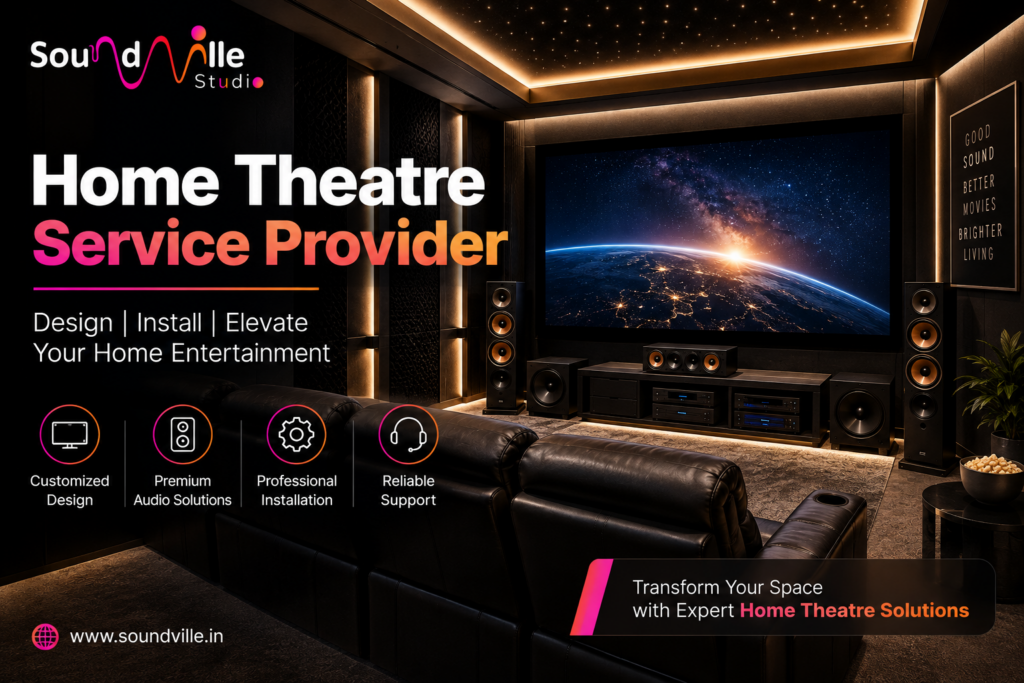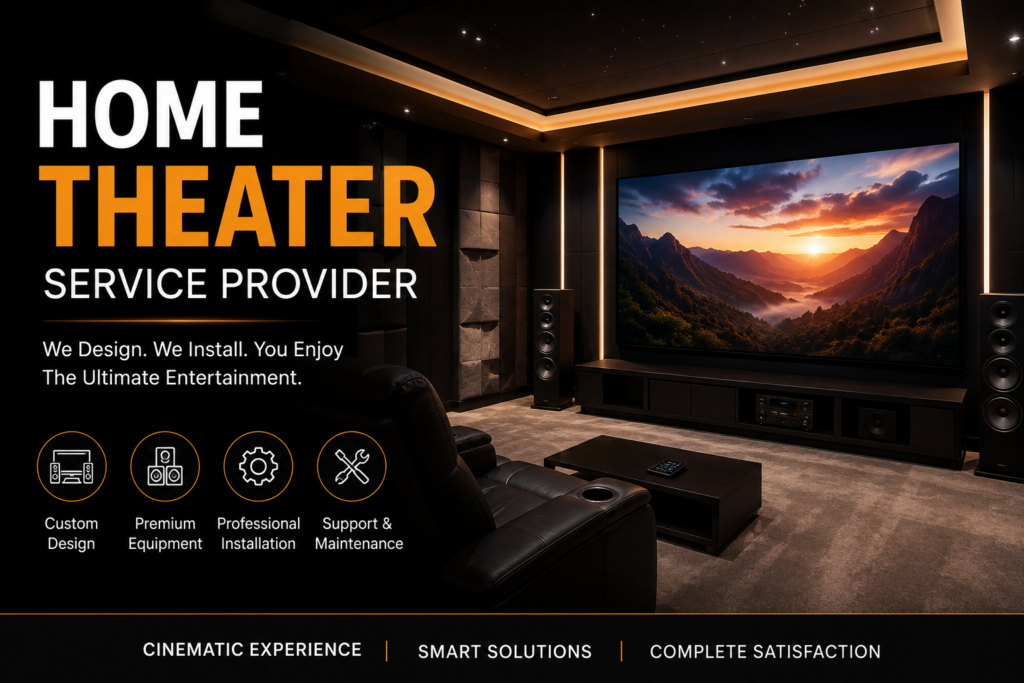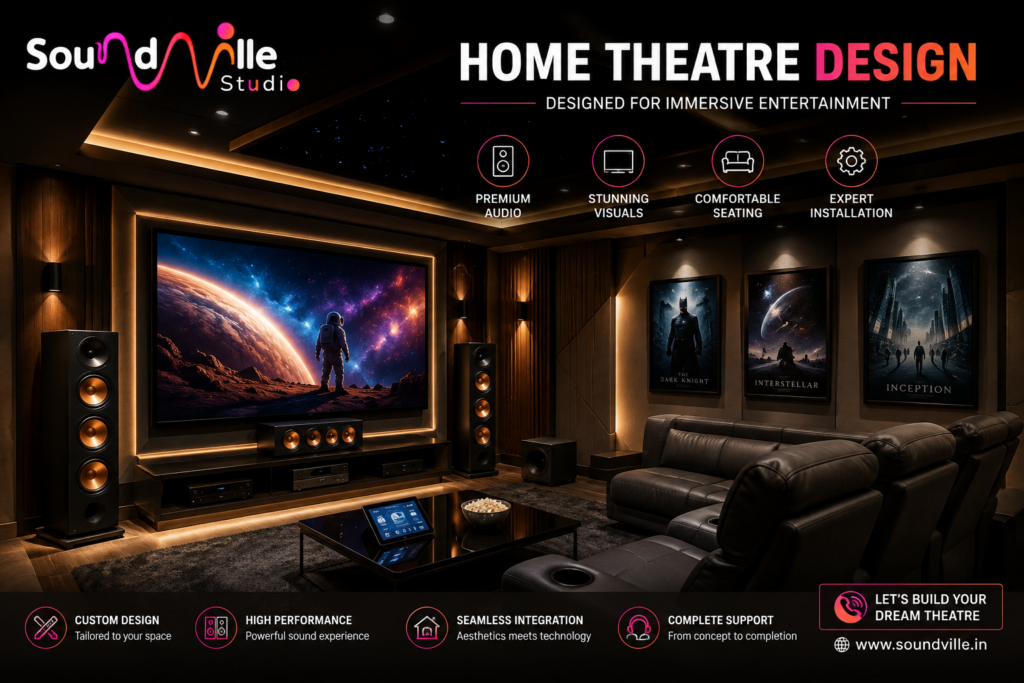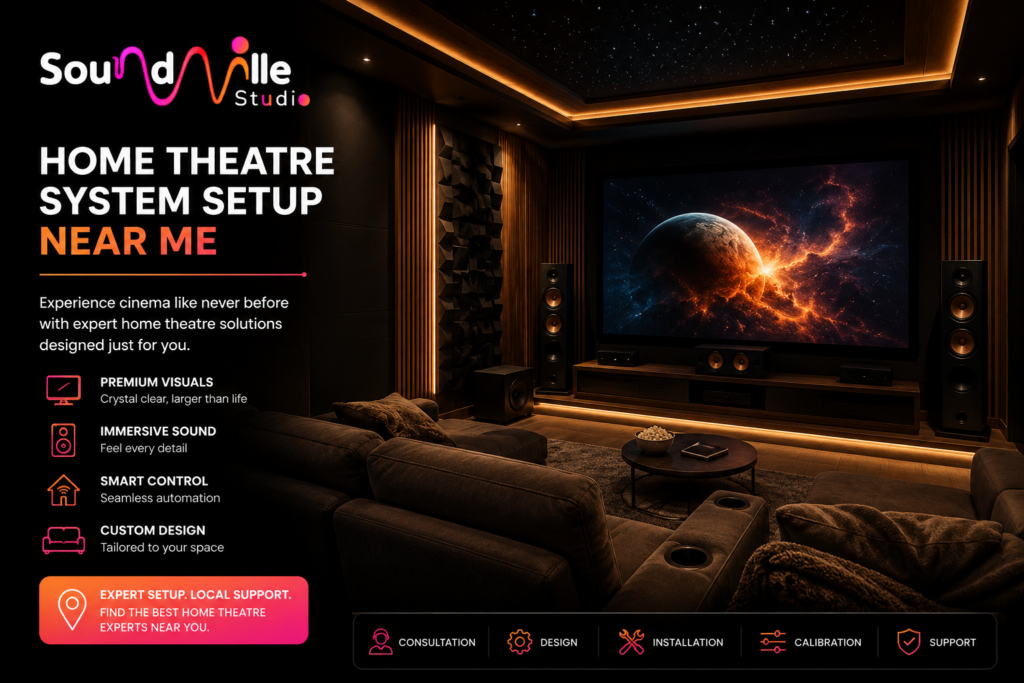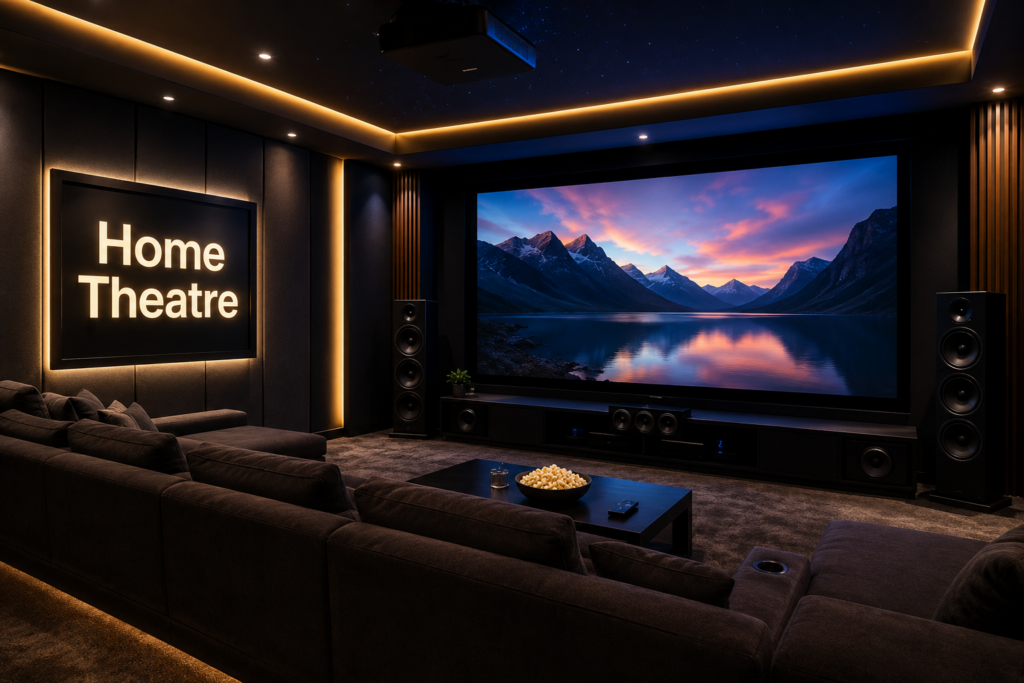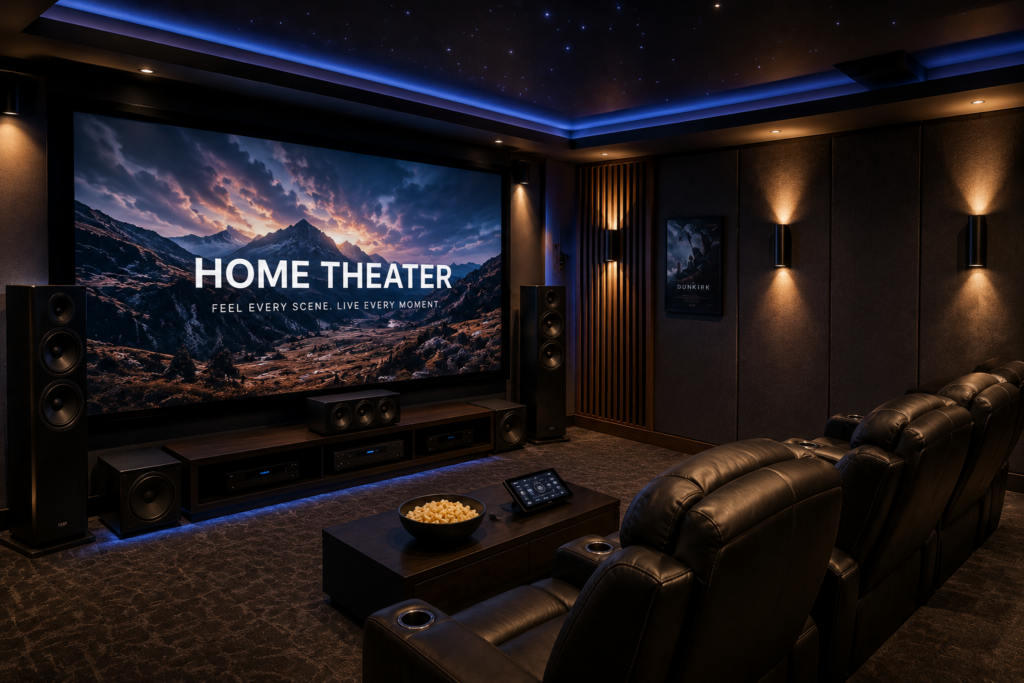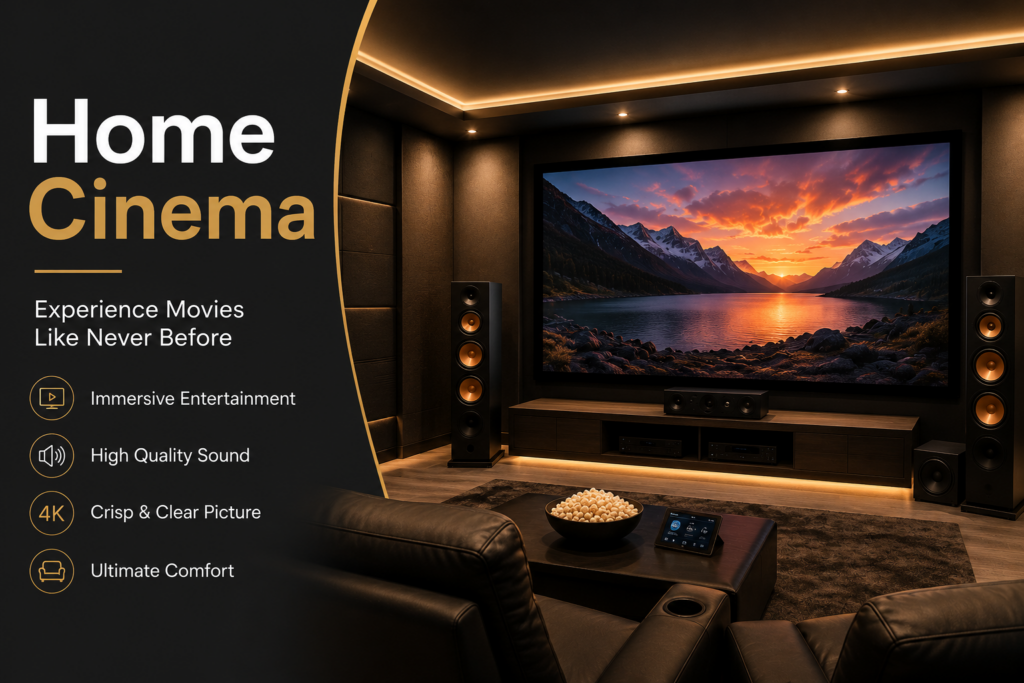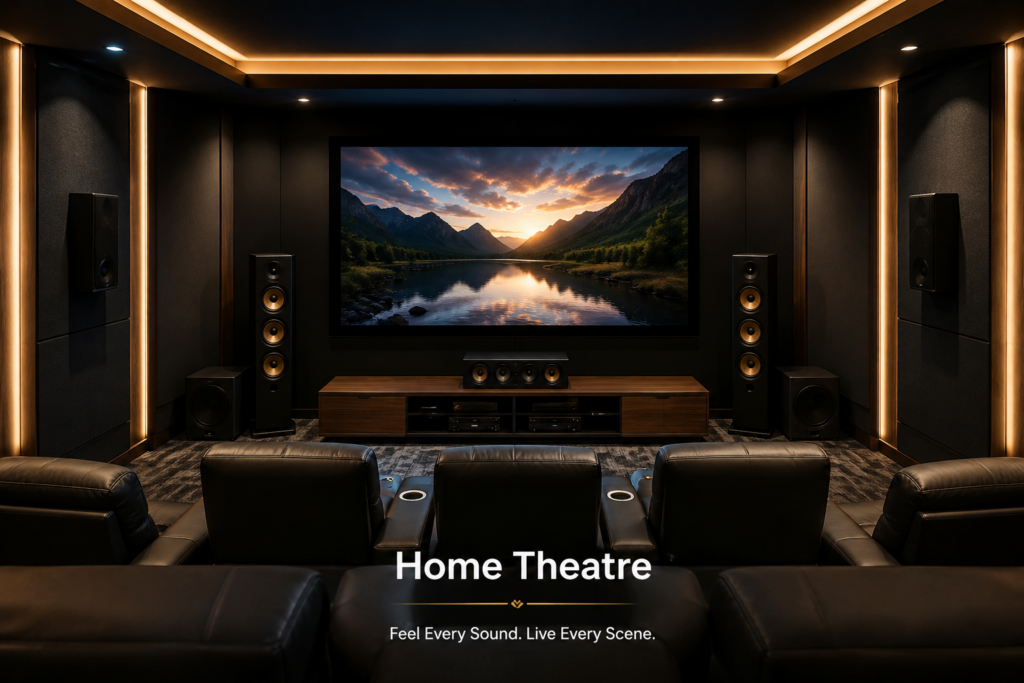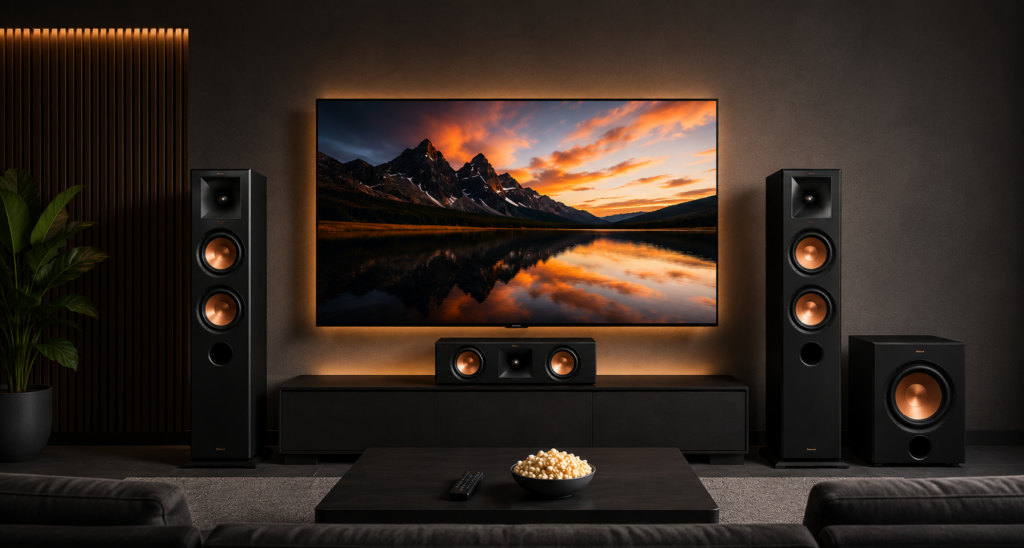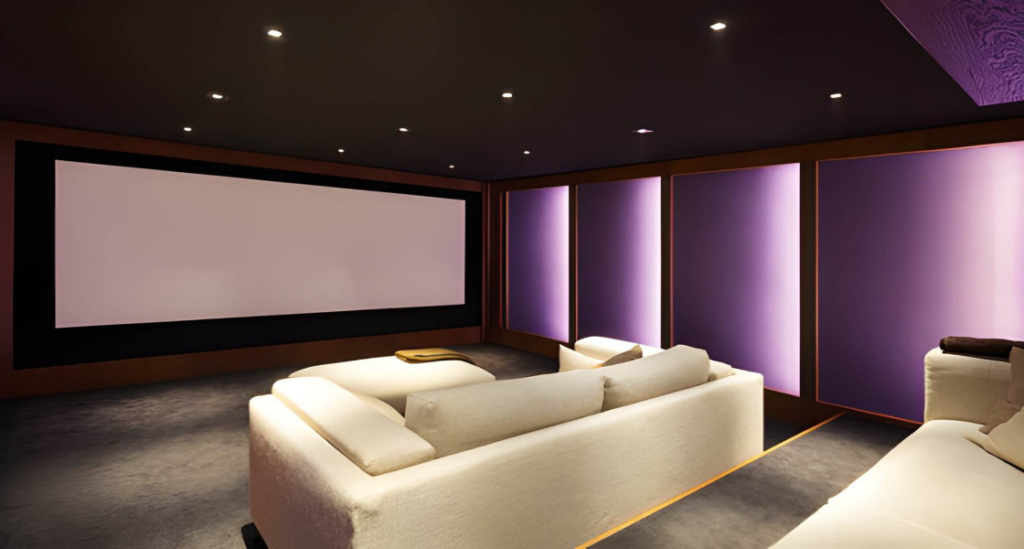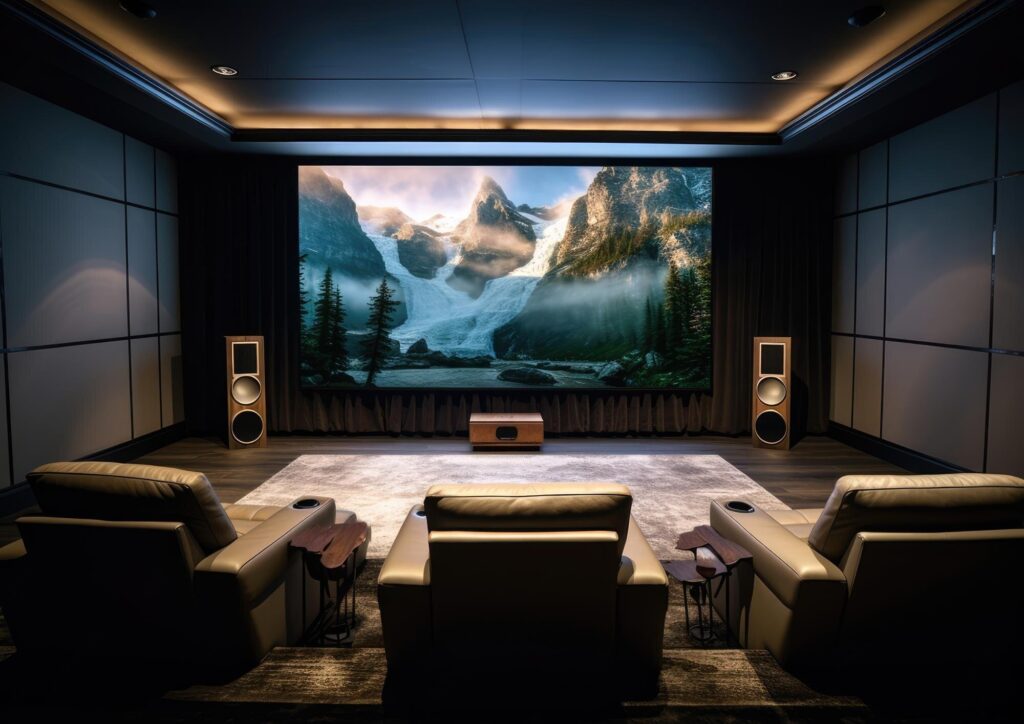

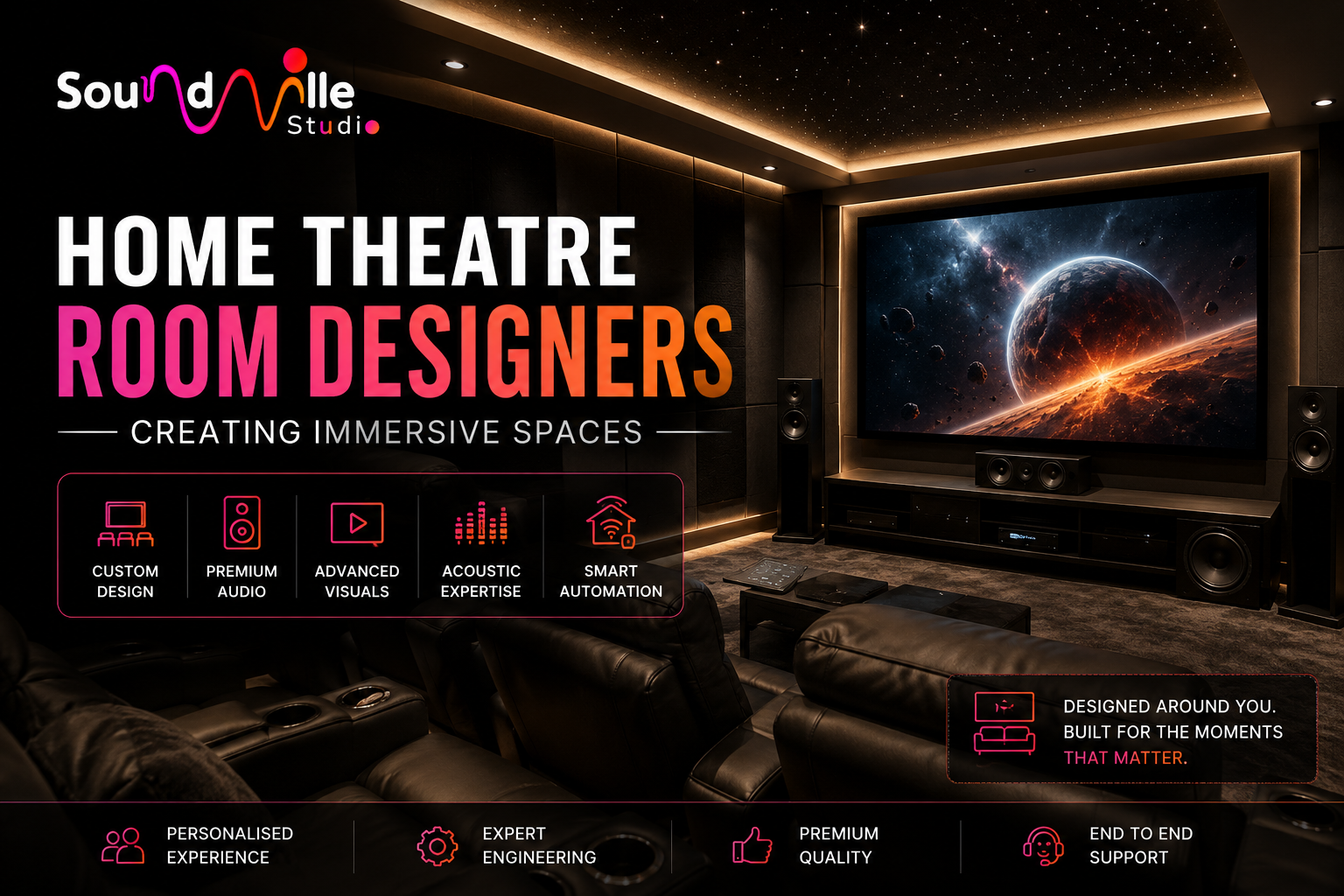
A home theatre isn’t merely a television, projector and a few comfortable seats. It’s an intentional space that’s created to enhance any movie, concert, sports action or game experience. The room configuration and screen placement, as well as the acoustics, lighting, seating and technology, all can impact the overall experience. Pro Home Theatre Room Designers come in handy here.
The creation of a well-designed home cinema is a combination of technology, comfort, aesthetics and acoustics in one. The emphasis at Soundville Studio is providing each client with their own unique entertainment space that is appropriate for the room, lifestyle and expectations. Professional designers will examine the space and create a solution that provides a balanced and immersive experience, rather than using the same set up for each project.
Why Professional Home Theatre Design Matters
It is assumed that high dollar audio and video equipment is sufficient to set up a high dollar home theatre. Even the best equipment can, however, malfunction if it is used in an inappropriate room or placed in the wrong location. Professional Home Theatre Room Designers know how all the elements of the Home Theater work together to provide a pleasant viewing and listening experience.
The result is an elegant home theatre with a well-balanced, comfortable sound quality for long viewing sessions.
Create a space around your lifestyle.
Everyone’s wants and needs from a residence cinema are unique. Others desire to have a dedicated movie room, movie seating, and movie lighting. Others like a space that can be utilized for movies, music, gaming and family sitting.
Home Theatre Room Designers know how to start by learning about client use. This will help you select the appropriate mix of technology, furniture, acoustics and interior.
In an example, an advanced acoustic treatment, hidden speakers, a large screen to project the images and special lighting is required for a dedicated cinema room.
The Importance of Room Planning
The role of room planning is crucial.The role of room planning is very important.One of the most crucial steps in any home theatre project is room planning. Possible options for the placement of screens, seating, speaker locations, and acoustic treatment depend on the dimensions and form of the room.
Professional Home Theatre Room Designers conduct in-depth analysis of the space before suggesting their recommendation of equipment. They take into account the viewing angles, distances from the speaker, screen size and ratios, and the location of doorways and windows.
Careful site planning can resolve some common issues like:
- Poor viewing angles
- Unbalanced sound
- Excessive sound reflections
- Insufficient walking space
- Incorrect seating distance
- Distracting light sources
Pre planning of the room prior to installation can also help to minimise any changes in the room that are not needed and maximise the efficiency of the project.
Creating immersive audio experiences.
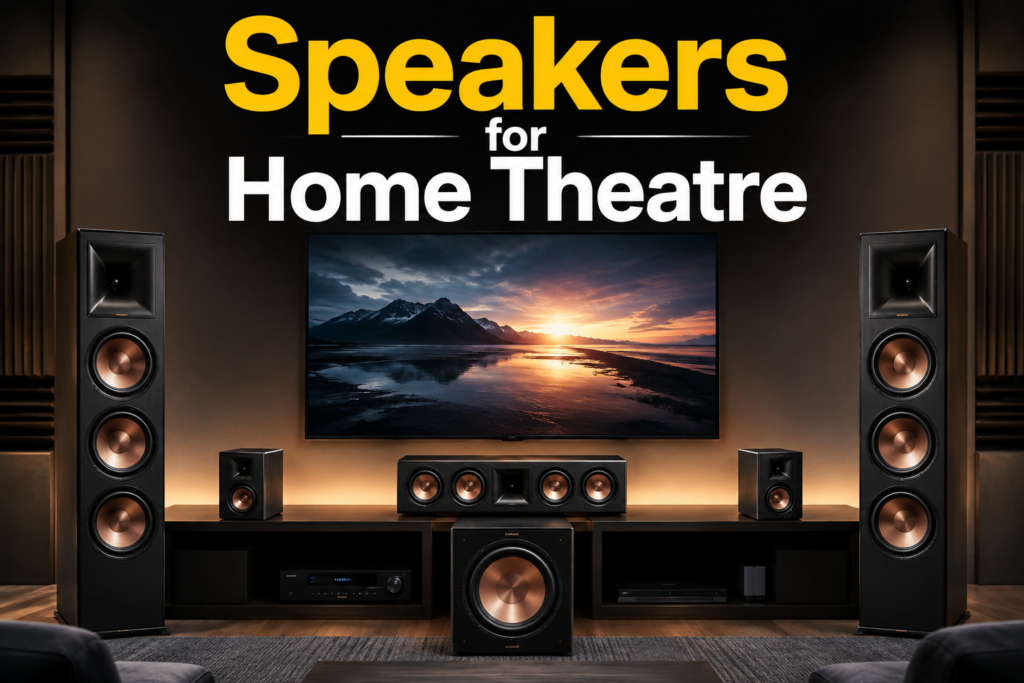
One of the major components of a home theatre is sound. The attention grabber is a powerful visual display, while the accurate and clearly located audio is what makes the experience feel realistic.
Professional Home Theatre Room Designers are dedicated to making sure that the audio environment is correct and that dialogue, music, effects and background noise are balanced. The placement of speakers is carefully considered depending on the room configuration and the type of audio format to be used.
The following components are in a professionally designed system:
- Front-channel speakers
- Position the centre speakers to ensure good communication.
- Surround speakers
- Ceiling speakers
- Low frequency drivers.
- Multi-channel audio processing
The aim is not just to simply increase the volume of the sound. The aim is to produce a natural soundstage, helping the audience to feel a part of the scene.
How to choose an Appropriate Visual Technology and screen selection.
Another element of a home cinema is the screen. Homeowners can select the large TV, a projector or an advanced projection system depending on the size of the room, lighting and distance.
Home Theatre Room Designers who have experience will assist in choosing the appropriate show solution for the particular space and the needs of the space. If the screen is too big for the confines of the room, it can create discomfort and if it’s too small, it can diminish the cinematic effect.
Systems that utilise projectors can deliver an impressive large screen experience particularly in a dedicated room. But careful planning is needed for positioning, screening, lighting and visuals.
The selection of the display technology should be used to suit the room, not just the specification.
Acoustic Design for Better Sound Quality
Make use of acoustic control to improve sound quality.Enhance the quality of sound with acoustic control.
Acoustics can have a significant impact in designing a home theatre. Walls, floors, ceilings and furniture reflect sound waves. When acoustically undone, these reflections can result in echo, harshness or garbled speech.
Home Theater Room Designers are professionals who can evaluate the acoustical characteristics of the room and recommend changes that will enhance the room’s acoustic qualities. The use of acoustic panels, Bass Management, carpets, curtains etc can help to reduce unwanted reflections.
The interior design should also take acoustic treatment into consideration. A studio like a recording studio doesn’t have to be the way a cinema room looks. New solutions can be developed to fit the visual ambiance of the room and boost the acoustics.
Lighting, Interior Design
Lighting is an essential component of the entire ambiance of any home cinema. What is true for human eyes is also true for movie viewing.What applies to human eyes also applies to movie viewing: bright lights minimize the impact of a movie, but carefully controlled lights maximize the viewing experience.
Professional Home Theatre Room Designers can include the following:
- Dimmable lighting
- Recessed ceiling lights
- LED accent lighting
- Step lighting
- Backlighting
- Automated lighting scenes
Lighting can be set up for various activities. It can be used for watching movies, playing games and socializing, for instance.
Comfortable seating, hidden wiring, decorative wall panels, curtains, carpets and custom finishes are also possible interior design elements. Each element adds to the overall mood.Rewiring is a simple process that will be performed using smart technology and easy control.
Smart Technology and Easy Control
Advanced automation systems can be incorporated into modern home theatres to make technology more convenient to use. Users can now control multiple devices from a single interface, rather than using multiple remotes.
An experienced Home Theatre Room Designers can help design a system to control:
- Music, sound and video.Music, sound and video equipment.
- Projectors and screens
- Lighting
- Curtains and blinds
- Temperature
- Streaming devices
A single command can potentially activate an entire movie-watching scene. The light can dim, the curtain can drop, the screen can lower, and the audio system can turn on.
This type of integration makes the entertainment experience more convenient and refined.
Home Theatre Design Elements at a Glance
| Design Element | Purpose | Key Benefit |
| Room Layout | Plans seating and equipment placement | Better comfort and viewing |
| Acoustic Treatment | Controls sound reflections | Clearer and balanced audio |
| Display System | Provides visual entertainment | Improved image experience |
| Speaker Positioning | Creates an accurate soundstage | More immersive sound |
| Lighting Design | Controls atmosphere and visibility | Enhanced cinematic mood |
| Automation | Simplifies system operation | Convenient user experience |
| Interior Design | Complements the room environment | Premium visual appeal |
Why Customisation Is Better Than a Standard Setup
A standard setup is not as good as customisation.A standard set up isn’t as good as customisation.Convenience may seem like the right choice for the standard home theatre package but each room is unique. The same speaker or screen size can have different effects in two separate rooms.
Professional Home Theatre Room Designers create solutions based on the specific characteristics of each project. They take into account room size, architectural features, interior tastes, cost and entertainment objectives.
Customisation can also play a role in the cleanliness of your appearance. Speakers, cables, screens and other items can be built into the design to reduce clutter.
A custom solution can offer a more comprehensive solution for homeowners who prioritize performance and style.
Soundville Studio for Bespoke Home Cinema Experiences
A bespoke home cinema experience studio house in Budapest, Hungary.Bespoke Home Cinema Experiences Studio House in Budapest, Hungary.Soundville Studio specializes in providing high-end audio and home entertainment solutions that are customized for each space. The design philosophy does not just stop at recommending equipment. The design of each project is tailored to the client’s expectations, room features and experience.
The team is highly experienced Home Theatre Room Designers and can work together with all audio, video, acoustics, lighting, seating and automation in one environment.
The focus is on designing areas that are engaging, comfortable and personal. From specialized luxury cinema systems to a sophisticated living room set-up to an advanced entertainment setup, thoughtful planning can make all the difference.
How the Home Theatre Design Process Works
Generally, a few significant steps are involved in a professional home cinema project.
1. Consultation
It starts with a conversation about the client’s needs and preferences, the space they have at home, and their expectations.
2. Space Evaluation
The room is analyzed to determine the size, structure, acoustics, lighting and technical requirements.
3. Concept Development
The idea of the design is created based on the experience, visual design, and technology needs.
4. Equipment Selection
The appropriate audio, video, acoustic and automation elements are chosen according to the project.
5. Installation and Integration
Careful preparation and integration of the components provide a clean and efficient set up.
6. Calibration and Testing
The system is tested and calibrated for a proper optimization of audio and video performance.
This is a step-by-step method that guides you to transform any room into your personalized entertainment center.
Selecting the perfect home theatre design partner
It is necessary to choose the right design partner since the home cinema is a long-term investment. Homeowners need to take into account experience, design concepts, technical expertise, installation quality, and customer service before starting a project.
The top Home Theatre Room Designers will take the time to understand the client’s needs rather than providing a ‘one size fits all’ solution. They should be able to explain technology and make recommendations that are appropriate for the room and budget.
Previous projects should also be seen and an understanding gained of the way the company performs acoustics, interior integration, system calibration and automation.
Conclusion
The right technology, design, acoustics, comfort and planning are the ingredients to a truly immersive home cinema. Professional Home Theatre Room Designers know how all these elements contribute to making a space interesting and easy.
Whether it’s the choice of display and audio, the design of seating, acoustics, lighting and automation, every decision can impact the end-user experience. The correct design can also make sure that the home theatre fits the architectural and lifestyle style of the owner.
For those who want a customised and upscale entertainment area, Soundville Studio provides a design-first method for home cinema and audio experiences.
Frequently Asked Questions
1. Home Theatre Room Designers do what?
The Home Theatre Room Designers arrange and orchestrate the overall home theater space design. They can involve room layout, audio and video planning, acoustic treatment, lighting, seating, automation, installation and calibration.
2. Is it necessary for the professional designing of home theatre for a small room?
Yes. Even small rooms can be improved with a good design. Professional Home Theatre Room Designers can assist in arranging seating, screen size, speaker placement and acoustics based on the size of the room.
3. What can the use of an existing home theatre be expanded to?
Yes. When designed and planned correctly, an entertainment room can be used for movies, music, games, sports and social activities. The design can be tailored for a particular application.
4. How crucial are acoustics in a home theatre?
Acoustics are extremely important. With a little assistance from Home Theatre Room Designers, reflections and unwanted sound can be reduced to enhance clarity, balance and listening quality.
5. Can there be hiding of speakers and equipment?
Yes. Depending on the design, speakers, cables, projectors, and other parts can be hidden or incorporated into the interior for a more streamlined look.