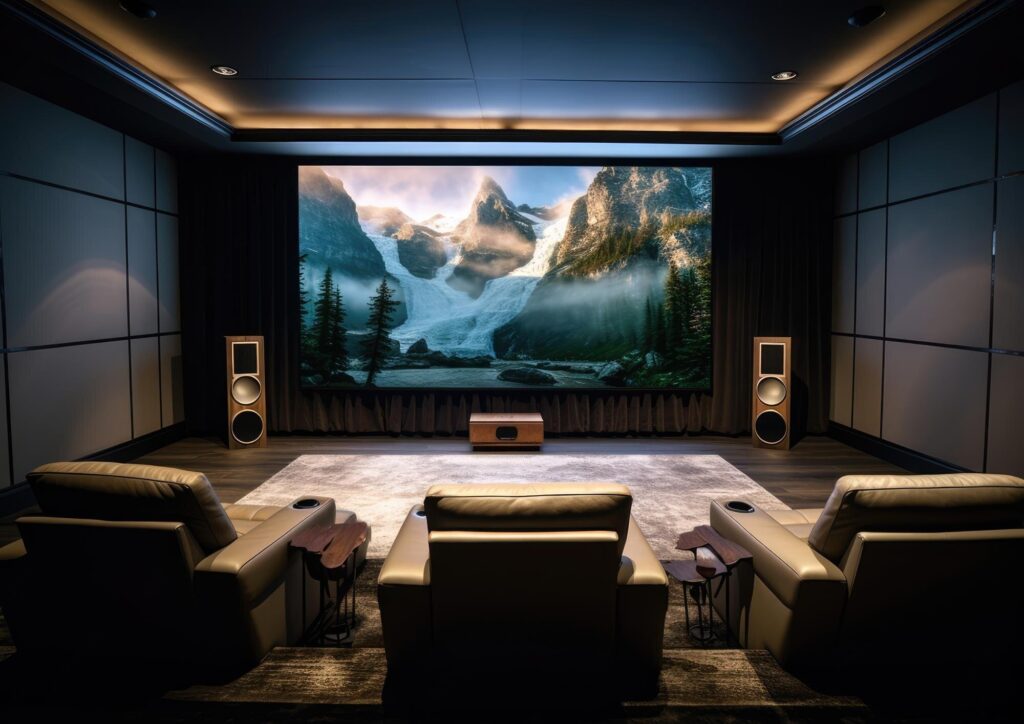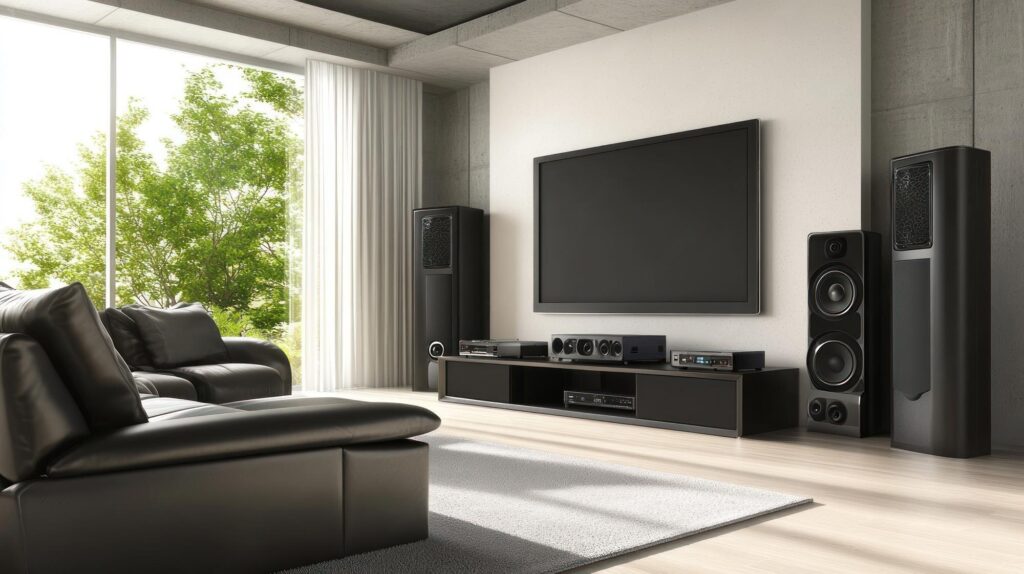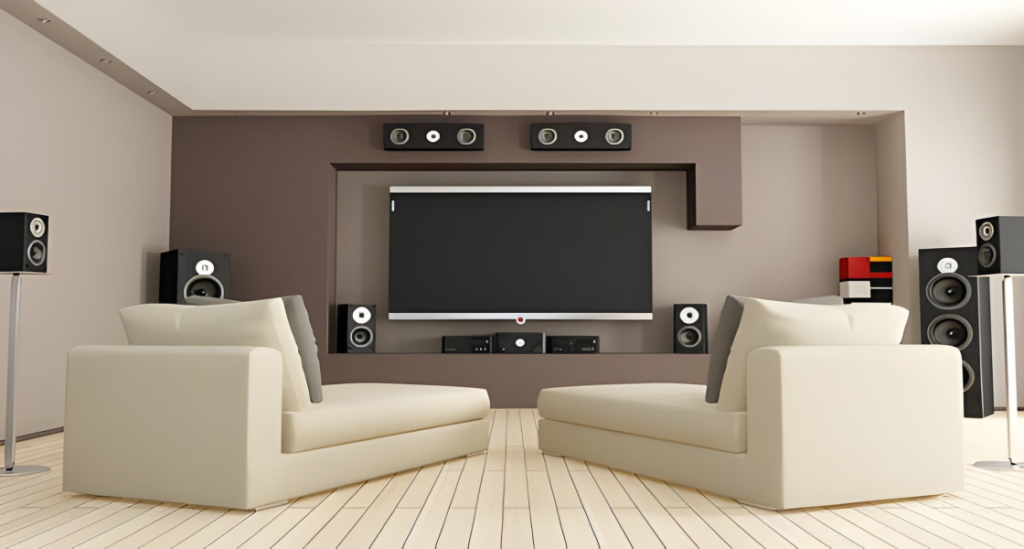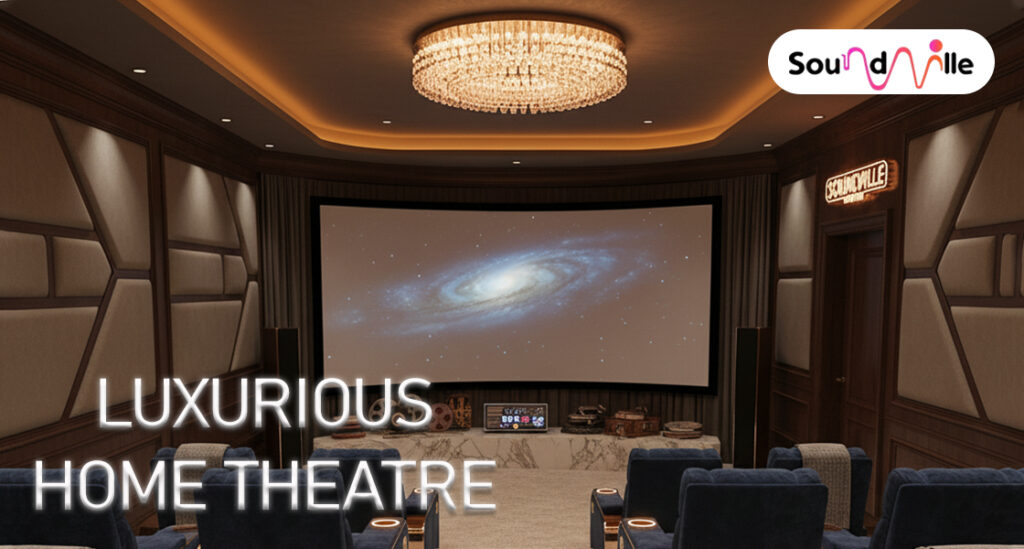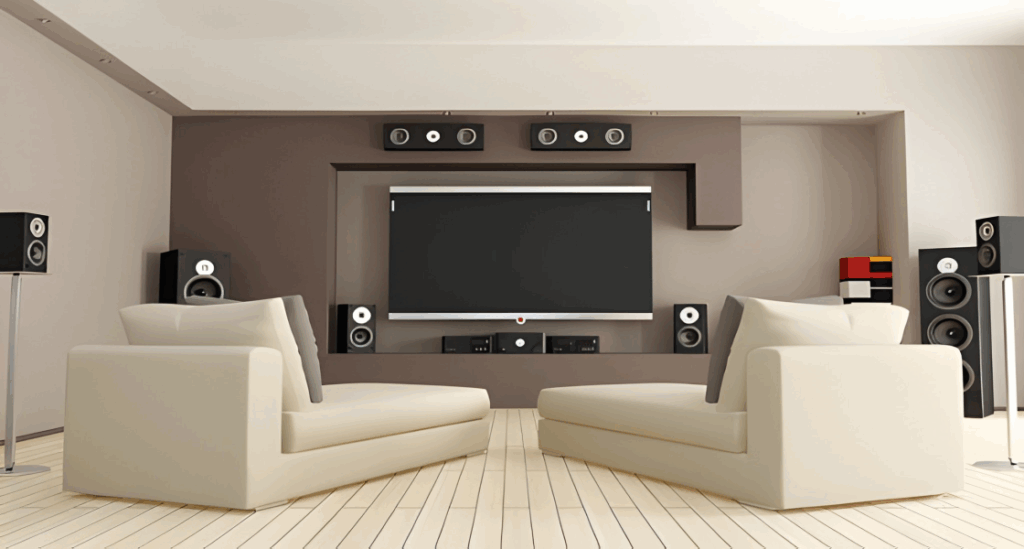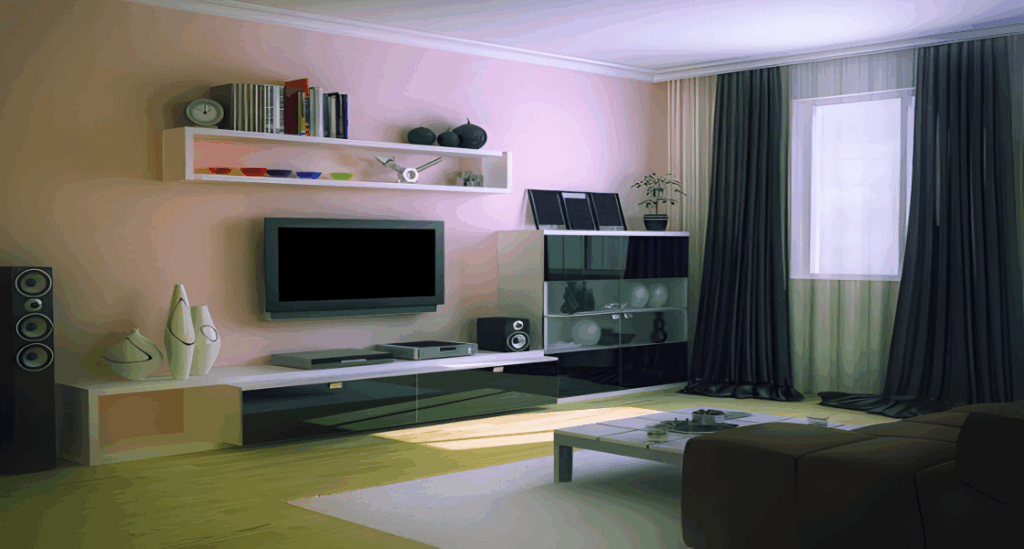



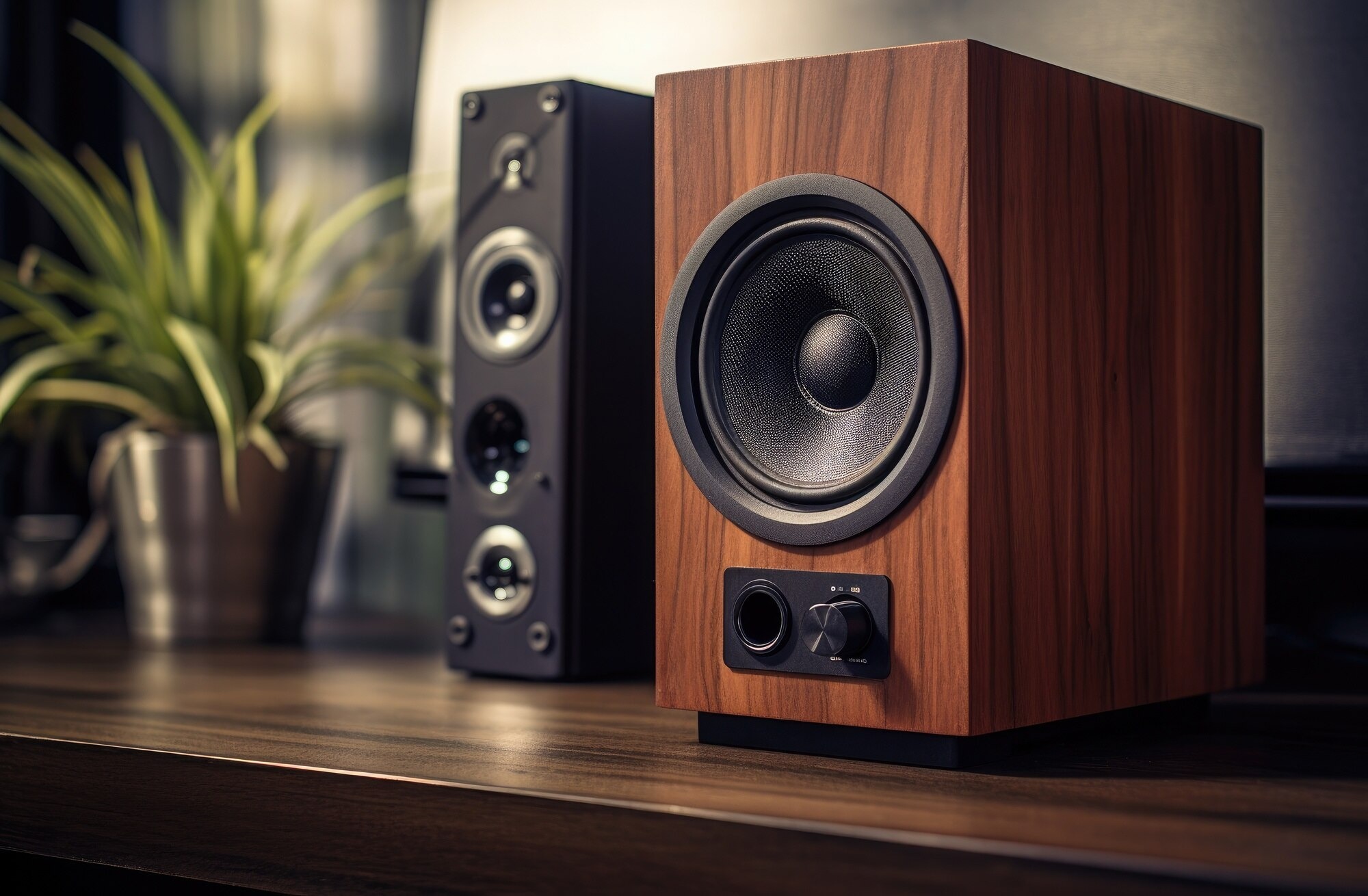
Yet only when the sound quality is as high as the pictures. Many people invest in high-definition TVs or projectors but overlook the most important part of the cinematic experience: Speakers for Home Theatre. Lack of the appropriate audio system, dialogues become incoherent, explosions are not as vibrant and background effects are not so dramatic, and the viewing experience is not impressive.
The speakers of the modern Home Theatre are associated with providing an immersive and multi-directional sound that makes the movies and music real. They reproduce the depth, clarity and dynamics of a cinema in your living room. The right speakers add to every detail since it can be a faint murmur of a character or a thunderclap of an explosion. Choosing the perfect Speakers for Home Theatre ensures that your home entertainment setup delivers truly cinematic sound, making every movie night or gaming session unforgettable.
About Speakers for Home Theatre?
Speakers for Home Theatre are specialized audio devices designed to create surround sound experiences similar to commercial cinemas. These systems have multiple channels of sound distribution as opposed to normal stereo speakers, which serve to send audio to the listener in multiple directions.
Their difference with the ordinary speakers
Stereo (left and right channels) speakers are generally used by regular speakers. Home Theatre Speakers, on the other hand, partition audio into several layers:
- Dialogue
- Background sound
- Directional effects
- Ambient noise
- Deep bass frequencies
The division creates naturalism and volume.
Basic Building Blocks of a Home Theatre Audio System
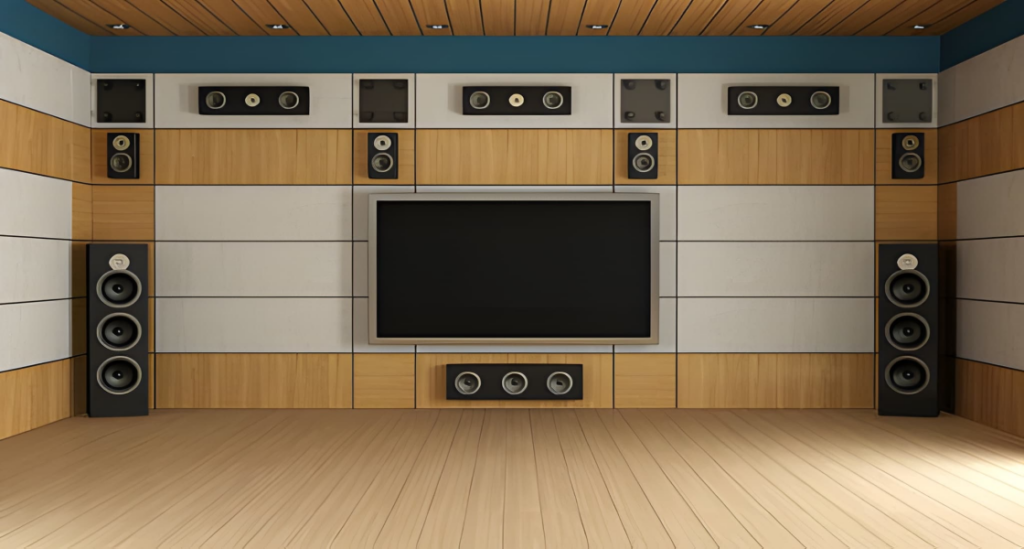
The basic components of a full system are usually:
- Front speakers
- Centre channel speaker
- Surround speakers
- Subwoofer
- Receiver or amplifier
Each component plays a specific role in delivering immersive audio through Speakers for Home Theatre.
Why Speakers are Uses in a Home Theatre
Speakers are the main component of any home theatre. The excellence of the display can not counter bad sound. Speakers for Home Theatre:
- Replicate high, mid and low frequencies well
- Present a 5.1 surround sound that makes you feel part of the scene
- Enhance dialogue clarity
- Insert low-bass and sound effects
Your home theatre becomes one-dimensional without good speakers, no matter the size of the screen or the resolution of the TV screen.
Learning about Audio Channels
Characteristic configurations are:
- 2.1 – Stereo plus subwoofer
- 5.1 – Standard surround sound
- 7.1 – Expanded rear soundstage
- Dolby Atmos – 3D audio on a height basis
The number of channels increases the good positioning of sounds.
Types of Speakers for Home Theatre Systems
The balancing of performance depends on the choice of an appropriate combination of speakers.
Front Left and Front Right Speaker
Most of the music, sound effects and ambient audio are done by these speakers. A large soundstage and natural listening experience is produced by good front Home Theatre Speakers.
Best for:
- Music playback
- Action scenes
- Sound effects of the environment
Centre Channel Speaker
The mid speaker deals with the clarity of dialogue. This is the single unit through which almost 70 per cent of the movie conversations are made.
Without a strong centre speaker, voices may sound unclear even with premium Speakers for Home Theatre.
Surround Speakers
Surround speakers are placed next to or behind the listener and provide directional sound effects such as footsteps, rain or moving vehicles. They add to a high degree of immersion.
Subwoofer
A subwoofer is used to play low frequency type of sound like explosions or low bass music. Home Theatre Speakers feel the power of good bass performance and feel cinematic.
Height or Atmos Speakers
Contemporary configurations have upward-firing/ ceiling speakers, which introduce vertical sound waves. Sounds of aircraft or falling rain seem to be heard on the upper, which establishes the 3D effect.
Key Features of Home Theatre Speakers
Specification knowledge aids in making better purchasing choices.
Audio and Frequency Response
Frequency response is the ability of the speakers to reproduce highs, mids and bass. Balanced Speakers for Home Theatre should cover a wide frequency range without distortion.
Power Handling (Watts)
Those with greater wattage will enable them to be played loudly without the need to strain. It is however important that the speaker’s power is matched with the amplifier capacity.
Sensitivity Rating
Sensitivity is the measure of the efficiency of the speakers to transform power into sound. An increase in sensitivity implies the power to produce more sound using less energy.
Impedance Compatibility
The Home Theatre Speakers mostly work at 6 ohms or 8 ohms. Make sure that you are compatible with your receiver to avoid performance problems.
Wireless vs Wired Internet
Contemporary systems provide the following:
- Wired: high and stable fidelity
- Wireless: universal installation and ease
Build Quality
One of the materials used, such as MDF cabinets minimizes vibration as well as enhances sound quality. Durable construction ensures long-term performance from Speakers for Home Theatre.
Different Speaker Configurations Explained
The selection of a suitable layout is based on your space and usage.
2.1 Setup
Perfect to use when one is a beginner or in a small room. Has two speakers and one subwoofer. Offers quality sound compared to TV in a non-complicated way.
3.1 Setup
Installs a centre speaker to enhance the clarity of dialogue. A wonderful upgrade to the level of movie lover.
5.1 Setup
The most popular configuration for Speakers for Home Theatre. Includes:
- Front left/right
- Center speaker
- Two surround speakers
- Subwoofer
Provides high definition surround sound.
7.1 Setup
Michael Jackson Adds two rear speakers to create depth. Appropriate in medium and large rooms.
Dolby Atmos Systems
Atmos-powered Home theatre speakers come with height channels in order to experience true movie theatres.
How to Choose Speakers for Home Theatre Based on Room Size
Sound performance directly depends on room size.
Small Rooms (Up to 120 sq ft)
Recommended:
- 2.1 or 3.1 systems
- Compact bookshelf speakers
The space may be overwhelmed by huge speakers.
Medium Rooms (120–250 sq ft)
Best suited for:
- 5.1 speaker configuration
- Balanced surround installation
This arrangement works best in most of the households.
Large Rooms (250+ sq ft)
Ideal choices:
- 7.1 or Atmos-enabled Speakers for Home Theatre
- Floor-standing speakers
- Dual subwoofers
Huge rooms demand greater power.
Acoustic Considerations
- Avoid excessive echo
- Use curtains or rugs
- Keeping the sitting distance balanced
Correct Positioning for Enhanced Sound Quality
Even high quality Speakers for Home Theatre will not perform well when put on the wrong location. Proper positioning ensures balanced audio, clearer dialogue, and an immersive listening experience.
Front Speakers Placement
- Positioned at ear level
- Equal distance from the TV
- Tilted a little forward towards the listener
Centre Speaker Position
Install the centre speaker under or above the screen so as to have the dialogue match the visuals displayed on the screen.
Surround Speaker Placement
- Partially behind the seating section
- Pointed at an angle of 90–110 degrees to the listener
- Fitted a few inches high above ear level
Subwoofer Positioning Tips
- Should not be placed in corners at the beginning
- Experiment with various points of test
- The best bass position can be found by the subwoofer crawl technique
Proper positioning greatly enhances sound imaging, clarity, and the performance of the entire movie.
Wired vs Wireless Home Theatre Speakers
| Feature | Wired | Wireless |
| Audio Quality | Excellent | Very Good |
| Installation | Complex | Easy |
| Cable Clutter | More | Minimal |
| Latency | None | Possible delay |
| Flexibility | Limited | High |
Wireless Speakers for Home Theatre are gaining popularity, but audiophiles still prefer wired systems for consistent performance.
Common Mistakes People Make When Buying Home Theatre Speakers
-
Purchasing According to Superficiality
These fancy speakers might sound expensive, yet it ought not to be the design rather than the sound. Always check audio performance, specifications, and reviews before purchasing Speakers for Home Theatre.
-
Ignoring Room Size
Large House Theatre speakers can overwhelm small rooms, which results in sound distortion or imbalance. Proportional speaker size and room size guarantee a higher degree of clarity of the audio.
-
Skipping the Center Speaker
Most dialogues in movies and shows are done in the center channel. In its absence, the voices can be weak or incoherent, which lowers the film experience.
-
Blending Various Brands at random
Tonal imbalance can be a result of combining speakers with different sound signatures. A matched system generates a smoother and more matched audio production.
-
Not Checking Compatibility
Always check the specification of the receiver, its impedance rating and its power capacity to be able to know if your speakers will be efficient and not have performance problems.
Latest Trends in Speakers for Home Theatre
The experiences of home audio are still being transformed by technology.
- Dolby Atmos Expansion – Sound on height is becoming the norm
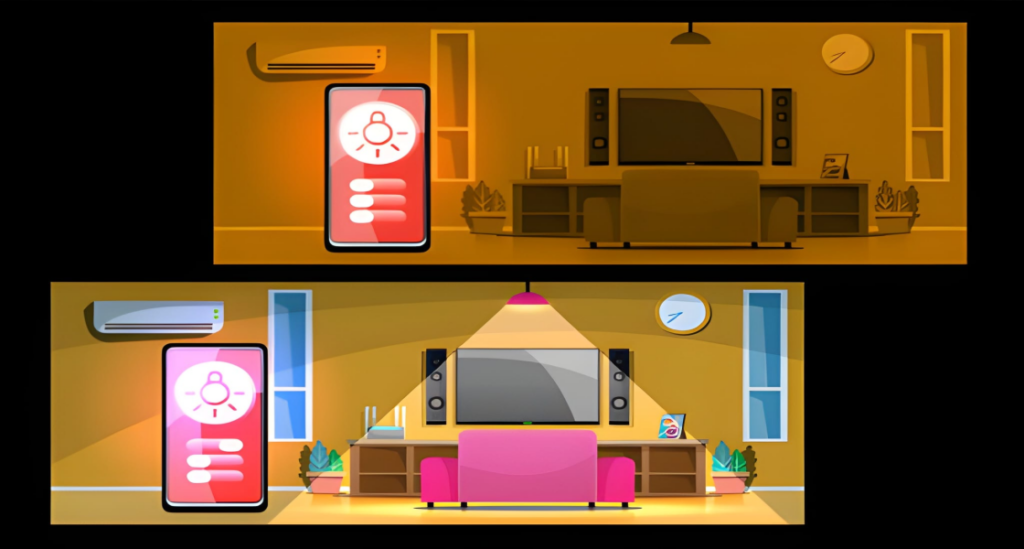
- Smart Integration – Playback and volume are now controlled by voice assistants
- AI Sound Calibration – Automatically adjust audio according to room acoustics
- Compact Premium Designs – Small speakers provide high-quality sound
- Wireless Ecosystems – Connectivity between rooms is increasing rapidly
Maintenance Tips to Extend Speaker Life
Care is a simple way of making sure that the performance is long-lasting and that the sound quality remains at the same level with time.
- Keep speakers dust-free
- Avoid moisture exposure
- Ventilate amplifiers
- Use surge protectors
- Continuous maximum volume should be avoided
Properly maintained Home Theatre Speakers can last long and work effectively for many years without stopping to provide an immersive movie experience.
Why Choosing the Right Audio Partner Matters
The provision of quality sound systems is one sure way of ensuring customer satisfaction. Reliable provider assists in the matching of equipment with room size, usage requirements and budget. Professional instructions eliminate expensive errors and enhance the overall level of listening.
Professional consultation can simplify the process of selecting Speakers for Home Theatre, especially for first-time buyers. Innovative and user-oriented brands also offer performance and durability as systems with a combination of modern technology. Soundville focuses on sound design with balance, an easy-to-install system, and the immersion of sound, which is suited to modern houses.
Conclusion
Producing a home movie theatre is much more than just buying a big screen. It is the sound that turns watching into experiencing. The right Speakers for Home Theatre deliver depth, emotion, clarity, and immersion that standard audio simply cannot achieve.
Getting to know the type and configuration of speakers and using the identical knowledge to master placement and maintenance, all those decisions help to bring the best sound performance. With well-chosen Home Theatre Speakers, one is able to make movies, music and games realistic and interesting.
You may have your first setup or are updating an existing system, and long-term satisfaction can be achieved by emphasizing on quality components, room compatibility, and the design of balanced audio. It is not impossible to have a personal movie room with excellent sound in your living room with wise consideration and the correct decisions.
Key Highlights
| Feature | Benefit |
| Surround Sound | Cinematic immersion |
| Subwoofer Support | Deep powerful bass |
| Correct Placement | Accurate sound imaging |
| Proper Configuration | Balanced performance |
| Quality Components | Long-term reliability |
FAQs
Q1. What are the best speakers for home theatre beginners?
A 3.1 or 5.1 installation provides a fine ratio between price and functionality as well as installation. These configurations provide immersive sound without making the system overly complex for first-time users choosing Speakers for Home Theatre.
Q2. Is a subwoofer necessary?
Yes. A subwoofer handles deep bass frequencies that standard Speakers for Home Theatre cannot reproduce effectively. It improves the effects of movies, the level of music, and the general effects of the movie.
Q3. What is the best installation to use in small rooms?
Smaller spaces 2.1 or 3.1 are recommended since they provide crisp sound, without having to distract the room’s acoustics.
Q4. Are wireless speakers suitable for movies?
Yes, the current wireless Home Theatre Speakers are a strong performing device with cleaner setups and ease of installation, which make them pleasing to modern homes.
Q5. How many watts do I need?
Smaller rooms can be supplied with 50-100 watts per channel, and larger rooms or areas can demand more output to cover both sides of the sound.
Q6. Can I upgrade speakers later?
The majority of home theatre systems have gradual upgrades. You are able to begin with a simple configuration and increase with time as your audio requirements increase.
Q7. Does the position of the speakers matter?
Absolutely. Proper positioning dramatically improves clarity, surround effects, and sound imaging, helping you get the best performance from your Speakers for Home Theatre.
Q8. Are the costly speakers necessarily better-sounding?
Not necessarily. A better match between speakers and room size, location and acoustics is more vital to the attainment of high-quality audio performance than just the cost.