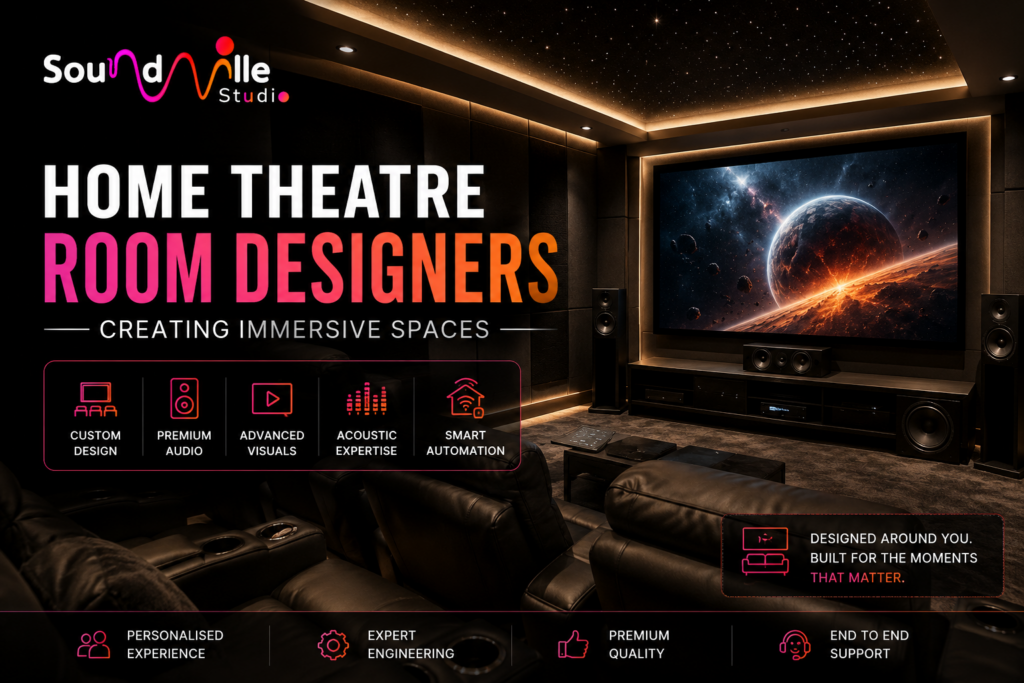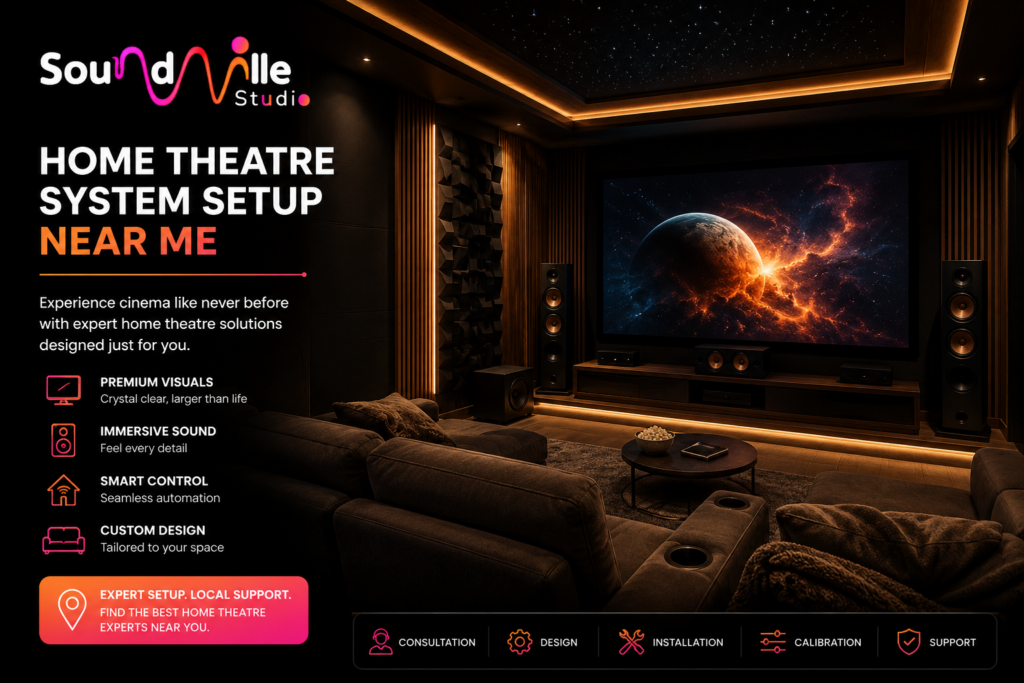

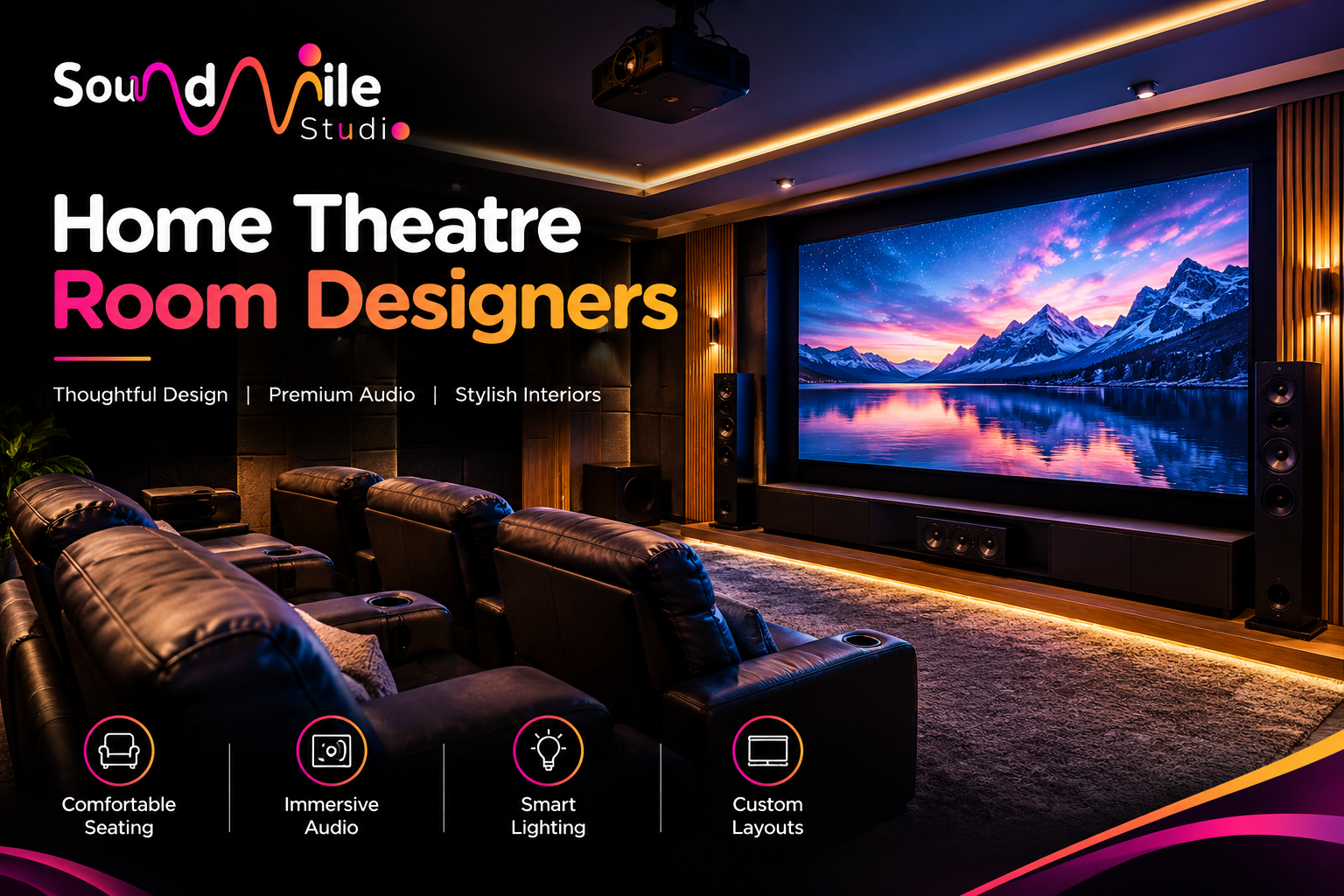
Making home movie watching memorable Home Theatre Room Designers entertainment can be a huge pleasure when the space is arranged for utmost comfort, picture, and sound. How to generate the ideal residence home entertainment location include the right seating, lighting, acoustics, TV screen positioning and devices. When established-up properly, your residence entertainment system is where you and your relatives will delight in movies, new music, sports and games without having disturbances.
Professional Home Theatre Room Designers can turn your plain room into a custom entertainment room based upon what the house owner wants. When you have a little extra space or a long space that you wish to develop into a personal cinema, you can do a lot of things. Soundville will help you to investigate home entertainment solutions based on your room size and layout, design preference and usage requirements. We have some home cinema room ideas to help you create a comfortable and functional entertainment environment that will serve you well for many years.
What Do Home Theatre Room Designers Do?
It’s not just a matter of hanging a big television on the wall and laying down some chairs. Every part of the home cinema has to be thought about: the positioning of the screen, the lighting, the quality of the sound, the comfort and the equipment.The experienced Home Theatre Room Designers take into account the size of the room, type of walls, ceiling height, seating arrangements and the equipment you have.
They can advise on where the screen needs to be placed, how people will move through the Home Theatre Room Designers and what sort of design element will be best for your space.In addition to the Floor Plan, there may be other areas that you need to decide upon such as where to put speakers, acoustic treatment, lighting controls, lighting and cable runs, and furniture choices. Since all of these areas can be tackled at the same time, you will get the most out of your room.
Important Elements of a Luxury Home Theatre Room
1. Smart Room Layout and Screen Positioning
The right room layout is the starting point of a good Home Theatre Room Designers . Ensure that the screen is visible to the main seating area without having to crane the neck or look at such an uncomfortable angle to the ceiling.In lesser rooms, it might be more advantageous to have a single row of comfortable seats, instead of cramming too much into the space.
If a room is larger, adding rows of seating may be possible as long as sightlines aren’t obstructed.A good plan will also incorporate the space needed for doors, access to walkways, equipment and cleaning – planning is critical in creating a room that is enjoyable to use on a daily basis.
2. Acoustic Treatment for Clear Sound
The quality of the sound of a film is one of the most important parts of a film sound. Hard surfaces reflect sound and create echo, and Home Theatre Room Designers might not be placed in a way that you can’t make out what the characters are saying.Acoustic treatments might be good for you as well, and can make your listening more comfortable. Depending on the room you can bring the following: acoustic panels, a rug, curtains, upholstered furniture and other absorbers.
Acoustic treatment is different from soundproofing. Treatment is concerned with sound in the room, soundproofing with sound transmission. Whether you need one, the other, or both, depends on what you are trying to achieve – improving the quality of the audio, the noise coming from outside, or escaping to your neighbours.Professional Home Theatre Room Designers can take this into account in their selection of room finishes and audio design.
3. Lighting for a Comfortable Viewing Experience
The level of lighting impacts the ambient environment and the screen as well. Lights placed in a bright light or lights can cause glare, and leaving the room black has the disadvantage of being inconvenient for people to get up and down.
Multi-layered lighting has a role to play. Play a family film with various moods created by dimmable ceiling lights, wall lights, discreet step lighting or diffuse LED strips.
Lamps should be directed away from screens if it is possible to do so. Lights with separate switches can be turned off when adjusting the brightness of the television.
4. Comfortable Seating and Furniture
Comfortable seating is essential for a pleasant experience with longer movies and entertainment. Seating must also be appropriate for the Home Theatre Room Designers size and comfortable viewing distance.Any type of seating can look and perform well if chosen appropriately – think about depth, headroom, leg space and rows of seats.
Recliners, cinema-style chairs, sofas and modular furniture are all suitable options.Furniture should not be in the way of speakers or getting in the way of the Home Theatre Room Designers . The layout above allows for comfort, but for sound to travel freely in the room.
5. Equipment Placement and Cable Management
The Home Theatre Room Designers could include a television/ projector and AV receiver along with other accessories and speakers and sub-woofer. All need to be in an optimal position and vented properly.All equipment should be accessible for servicing and the cabling should be routed tidily so that it is not in the way and a potential trip hazard.
Where possible screens can be mounted on walls and the cabling hidden from view, assuming that they are secured safely and correctly.Other items to think about when developing your equipment plan include power points, connectivity, remote controls and future upgrades. With a good systems design a room is much easier to clean and operate.
Choosing the Right Design for Your Space
Not everyone. The best design will depend on what space you have and what your utility is.In a dedicated room, you might have more say on light, sound and how seats are arranged. With a living Home Theatre Room Designers you’ll need to work entertainment gear in with the rest of your room.
Before starting the room, spend some time measuring the space and any limitations. Remember how many windows there are and their location, ceiling height, doors, electrical points, ventilation and what rooms surround it.Tell Home Theatre Room Designers your priorities. Your idea of the perfect look for them may be sleek and minimal, or it may be luxurious and comfortable. Or perhaps you want a family-friendly room that has multiple uses.
Comparison of Home Theatre Room Design Options
| Design feature | Dedicated cinema room | Living room entertainment setup |
| Room purpose | Primarily for cinema and entertainment | Shared with daily activities |
| Lighting | Greater control over darkness and ambience | Needs flexible everyday lighting |
| Seating | Cinema seating or multiple rows may fit | Usually uses sofas or compact seating |
| Acoustic treatment | More options for specialised treatment | Often requires discreet solutions |
| Equipment placement | Can be planned around the cinema layout | Must fit existing furniture and space |
| Design priority | Immersion and controlled viewing | Comfort, flexibility, and appearance |
Both options can provide enjoyable entertainment. The suitable choice depends on your home, available budget, and intended use.
How to Create a Luxury Look Without Wasting Space
A luxury Home Theatre Room Designers does not have to be decorated with a heavy budget of furniture and other accessories. It is the lack of attention to detail, comfort and consistency of the end result that may be a much bigger problem.Choose a colour scheme that complements the room’s lighting and the position of the screens. A dark colour scheme can help reduce reflections that may prove distracting around the screen, textured fabrics and carefully considered wall panels will add to the interest of the space.
Give room for the necessities even in a small space. For small rooms, conceal accessories with discreet built-ins, and keep wall finishes simple.Don’t let the lighting steal the show. Use soft indirect light and dimmable lights to create the mood – and still see. Home Theatre Room Designers will talk about your requirements and then will consider a variety of possibilities to improve the way the aesthetics and the usability of the room so that the finished room doesn’t look cluttered.
Common Mistakes to Avoid During Home Theatre Planning
Your Living Room Looks Far Better Than It Does If These Handy Room Planning Tips Aren’t Used Often a space that looks truly amazing, but still feels incomplete? That’s a lot of room for error.
Calculate your room dimensions before choosing your screen:
The dimensions of the screen should be similar to your distance between your seating area and your screen.
Disregard for acoustics:
No sound or unbalanced sound will make it impossible to follow speech and stay at a comfortable listening level.
The furniture needs to cater for viewing time and the space requirement.Procrastinating
Ventilation:
Electronic equipment requires Ventilation to operate safely and optimally.
Glaring light:
Bright light can cause a glare on your screens and can be very harsh on the eyes.
Follow your cable plan from the beginning to help keep the cables ordered and save you costly correction work down the track.
Items losing control of leading ahead needs:
Question yourself if you’re able to possibly need extra audio speakers, yet another device, or don different chairs down the road.
In life, knowledge is power! Get this detail right at the planning stage, and you will not need to make as many adjustments, and what you end up with will be far more usable.
How Studio Can Support Your Home Entertainment Plans
Before investing in your setup, it’s good to know your space, your audio equipment needs, design style, and budget. At Studio, we believe everyone should be able to experience the best that home entertainment technology has to offer.What are the considerations you need to consider when looking at Home Theatre Room Designers Fill out the following questionnaire to make sure that you’re considering appropriately: How will the plan facilitate viewing of the screen and ease of use of sound equipment?
Let us know about how you intend to use the Home Theatre Room Designers and your preferred type of entertainment and any restrictions we should keep in mind. This can provide clues to the ultimate configuration of the space and what will matter most to you.Our entertainment areas can be used for movie night with the family, music, sport, and gaming. With a good design, entertainment rooms at home can be highly functional and personalized to suit your needs.
Conclusion
Designing a luxurious home cinema in your living room Designing a standard room to be a great home theater goes beyond seating and a big screen – there’s a lot of work that goes into creating the perfect room. Consider lighting, seating, sound absorption, and equipment configuration. Professional Home Theatre Room Designers can make it happen.
Soundville Studio guides homeowners through their Home Entertainment options for their home. Sound that enhances the design and comfort of your home cinema can be created through proper planning and attention to detail; a true host welcomes friends and family to enjoy movies, sports, music, and special moments together.
Frequently Asked Questions
1. What should I consider before designing a home theatre room?
Begin with Home Theatre Room Designers size, size of display, viewing distance, seating, acoustics, lighting and ventilation, and placing of equipment. Establish a sensible budget for prioritising the key features.
2. Why is a small room converted into a home cinema?
Yes. It can be achieved with a small room by means of an appropriate screen, suitable seating, strategically placed speakers and a workable lighting scheme. Make sure that the design takes into account the existing dimensions of the room.
3. Why is acoustic treatment important?
By treatment of the Home Theatre Room Designers acoustic is possible to manage the reverberation. Acoustic treatment provides for listening comfort and speech intelligibility, to a significant extent when the room is filled with hard reflective surfaces.
4. Is a projector better than a television for a home theatre?
Both can be a good option. You might prefer a larger cinematic image created by a projector or have a TV as an easier to use everyday option and easier to use in a bright room. Room conditions, screen size, and budget should be considered.
5. How can lighting improve a cinema room?
Dimmable and well-located lighting will cut out glare, set the mood, and allow you to move around the room safely. Additional switches allow more control for other activities.